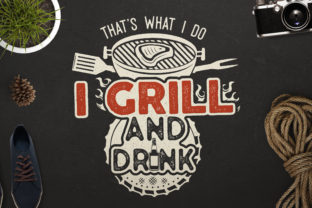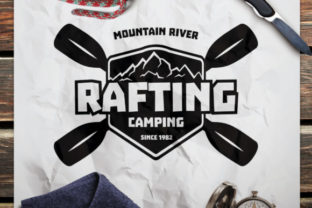
Retro Rafting Logo T-Shirt Design Graphics
As a graphic designer with years of experience in branding, marketing visuals, and digital design assets, I’ve come across countless creative designs. One that stands out for its unique charm and versatility is the Retro Rafting Logo T-Shirt Design. This graphic design asset offers a nostalgic yet bold visual language that could be a valuable addition to a variety of client projects.
The First Impression: A Nostalgic Adventure
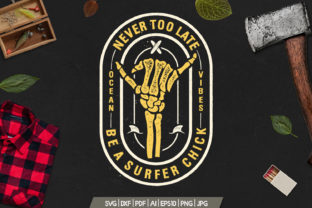
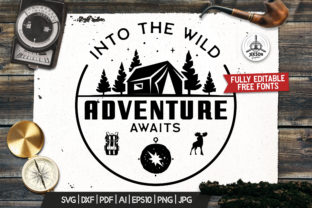
Upon first glance, the Retro Rafting Logo T-Shirt Design exudes a rugged, adventurous vibe. The use of bold typography, retro color palettes, and stylized illustrations immediately evokes a sense of outdoor exploration. It feels like a visual nod to classic adventure posters and vintage travel stickers. The design’s tone is playful but confident, making it ideal for brands that want to communicate a sense of freedom, risk, and discovery.
This digital product is especially suited for small business branding, handmade businesses, or seasonal campaigns that aim to capture the spirit of travel and nature. Whether it's for an Etsy shop, a print-on-demand seller, or a local event, the Retro Rafting Logo T-Shirt Design has the potential to elevate the visual identity of a project with its distinct personality.
Real-World Applications: From Merchandise to Social Media
In real design situations, the Retro Rafting Logo T-Shirt Design proves to be highly adaptable. It works well as a logo design for outdoor gear brands, a packaging design element for hiking supplies, or even a social media graphic for travel influencers. Its retro aesthetic pairs well with both modern and traditional design approaches, making it a flexible choice for a range of creative projects.
This printable design can be used in t-shirt design, mug graphics, tote bags, and wall art. It also functions as a strong Canva template or Cricut project, offering designers a ready-made visual foundation. For print-on-demand sellers, the Retro Rafting Logo T-Shirt Design could serve as a compelling product mockup, helping to attract customers looking for unique, themed merchandise.
Its versatility extends to editorial design, where it could be used as a decorative accent or part of a themed collection. As a sticker design, it adds a touch of personality to notebooks, laptops, and water bottles. In web design, it can act as a hero graphic or a supporting brand element that reinforces the overall mood of a site.
Where It Shines: Large Layouts and Themed Projects
The Retro Rafting Logo T-Shirt Design excels in large layout areas, where its bold visuals can make a strong impact. It works particularly well as a hero graphic for promotional materials, product pages, or campaign visuals. When placed on a clean background, the design commands attention without overwhelming the viewer.
This SVG design is also great for packaging design and product mockups, where its retro style can add a layer of authenticity. As part of a themed collection, it can help create a cohesive look that resonates with target audiences. Whether it's for a summer campaign or a winter hiking promotion, the Retro Rafting Logo T-Shirt Design supports a consistent visual narrative.
It also performs well as a decorative accent in editorial layouts or as a focal point in brand identity systems. For handmade businesses or Etsy products, this design could be a key differentiator that sets a brand apart from competitors.
Where to Use With Caution: Minimalist and Corporate Projects
While the Retro Rafting Logo T-Shirt Design is visually engaging, it may not be the best fit for every project. In minimalist branding or professional corporate materials, its boldness could clash with the desired simplicity. It may also struggle in low-contrast environments or when placed on complex backgrounds.
For visual hierarchy and brand consistency, this design might require careful placement. It could be too dominant for projects that rely on subtle, clean aesthetics. In such cases, it’s better to use it as a supporting element rather than the main focus.
Additionally, if a client requires a very clean modern design, the Retro Rafting Logo T-Shirt Design might not align with their vision. It’s important to assess the project’s goals and audience before deciding whether to incorporate this asset.
Designer Notes: Practical Considerations Before Use
Before using the Retro Rafting Logo T-Shirt Design for a client project, there are several practical considerations to keep in mind. Test it in black and white to see how it holds up without color. Check contrast on both light and dark backgrounds to ensure readability. Preview it at various sizes to confirm it remains legible and impactful.
Place it on real mockups to get a sense of how it will appear in physical or digital formats. Test print quality to ensure it translates well to different materials. Review file formats—whether it’s an SVG design, PNG design, or clipart—to determine its usability in different software and platforms.
If transparency is involved, inspect the PNG for clean edges. If it’s a vector file, check its editability to ensure it can be customized as needed. Compare it with different font styles—serif, sans serif, script, or display—to see how it interacts with text elements.
Finally, always verify the commercial license before using it for a client or business project. This ensures that the Retro Rafting Logo T-Shirt Design can be used without legal complications.
Conclusion: A Unique Asset for the Right Project
The Retro Rafting Logo T-Shirt Design is a standout graphic design asset that brings a fresh, adventurous energy to any project. Its retro aesthetic, bold visuals, and versatile applications make it a strong choice for small business branding, handmade businesses, and print-on-demand ventures. However, it’s important to consider its strengths and limitations before integrating it into a design project.
For designers seeking a creative asset that can enhance a campaign, support a brand’s visual identity, or add personality to a product, the Retro Rafting Logo T-Shirt Design is worth exploring. With careful consideration and proper implementation, it can become a powerful tool in a designer’s toolkit.